
Understanding Cold Chain Logistics Management and How It Works
Everything You Need to Know About Cold Chain Logistics Management
Understanding cold chain logistics management is important for businesses that transport temperature-sensitive products. Maintaining the proper temperature throughout storage, handling, and transportation helps preserve product quality while supporting regulatory compliance and customer expectations.
Businesses across Canada rely on cold chain logistics to move products through the supply chain while maintaining consistent temperature conditions. Understanding the cold chain logistics meaning can help organizations choose transportation and warehousing solutions that meet their operational requirements.
What Is Cold Chain Logistics Management?
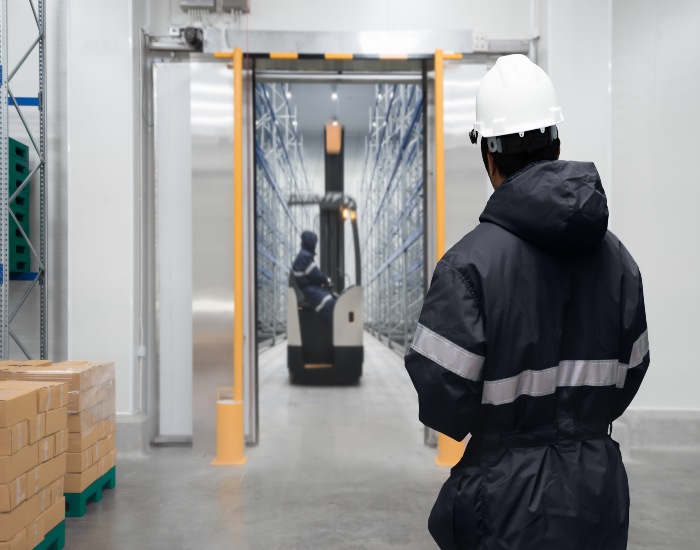
Cold chain logistics management refers to the planning, coordination, and transportation of products that must remain within specific temperature ranges throughout the supply chain. This process includes temperature-controlled storage, transportation, handling, and monitoring from origin to destination.
Many cold chain logistics solutions are designed to help businesses reduce the risk of temperature fluctuations that could affect product quality or safety. Depending on the product being shipped, refrigerated or frozen conditions may be required during transportation and storage. Common components of cold chain logistics include:
- Temperature-controlled transportation
- Refrigerated warehousing
- Cold storage facilities
- Temperature monitoring
- Loading and unloading procedures
- Inventory management
- Distribution planning
Why Cold Chain Logistics Matters
Temperature-sensitive products can be affected by changes in environmental conditions during transportation and storage. Proper cold chain management helps maintain product integrity throughout each stage of the supply chain. Businesses depend on effective cold chain logistics because it helps support:
- Product quality
- Product safety
- Regulatory compliance
- Inventory management
- Supply chain consistency
- Reduced product loss
- Customer satisfaction
How Cold Chain Logistics Works
Cold chain logistics involves multiple stages that work together to maintain consistent temperatures from the point of origin through final delivery. Each stage requires planning and coordination to help minimize temperature fluctuations. A typical cold chain process includes:
- Product preparation and packaging
- Temperature-controlled storage
- Refrigerated transportation
- Distribution through warehouses or distribution centres
- Scheduled delivery to the final destination
Key Components of a Cold Chain Logistics System
An effective cold chain system depends on several interconnected elements working together. Each component plays an important role in maintaining appropriate storage and transportation conditions. Key components include:
- Temperature-Controlled Equipment: Refrigerated trucks, trailers, and storage facilities designed for temperature-sensitive freight.
- Cold Storage Facilities: Warehouses equipped to maintain required temperature ranges before distribution.
- Transportation Planning: Coordinated scheduling to support efficient freight movement while maintaining product requirements.
- Packaging: Insulated packaging and appropriate handling methods that help protect products during transportation.
- Monitoring Procedures: Temperature monitoring throughout storage and transportation to verify products remain within acceptable ranges.
Industries That Depend on Cold Chain Logistics
The cold chain logistics industry supports many sectors that require temperature-controlled transportation and storage. Different products have different handling requirements depending on their characteristics and regulatory standards. Industries that commonly rely on cold chain logistics include:
- Food and beverage
- Grocery distribution
- Pharmaceutical manufacturing
- Healthcare
- Agriculture
- Floral products
- Chemical products requiring temperature control
Partner With CDS Group of Companies for Cold Chain Logistics
Selecting the right provider for cold chain logistics management helps support product quality throughout transportation and storage. Working with an experienced logistics partner can help businesses coordinate temperature-controlled freight while meeting industry requirements.
If your business requires dependable cold chain logistics solutions across Canada, CDS Group of Companies provides transportation and logistics services designed to support temperature-sensitive products throughout the supply chain.
Frequently Asked Questions
Businesses that transport temperature-sensitive products often have questions about cold chain operations. Below are answers to some common questions.
Cold chain logistics management is the process of coordinating temperature-controlled transportation, storage, handling, and distribution to help maintain product quality throughout the supply chain.
The cold chain logistics meaning refers to maintaining required temperature conditions while products move through storage, transportation, and distribution from origin to destination.
Cold chain logistics helps protect temperature-sensitive products from spoilage or quality loss while supporting regulatory compliance and consistent supply chain operations.
The cold chain logistics industry serves businesses in food production, grocery distribution, pharmaceuticals, healthcare, agriculture, floral products, and other industries that require temperature-controlled transportation and storage.