
Cross-Docking vs. Transloading
Understanding the Key Differences Between Cross-Docking & Transloading
Every business has its own logistics challenges, and not every shipment takes the same route. Cross-docking and transloading are two methods that often get mixed up, but each one solves a different problem. CDS Group of Companies is explaining cross-docking and transloading to help you know which is right for your supply chain needs. In this guide, we’ll break down what makes them unique and help you decide which approach is the best fit for your supply chain.
What Is Cross-Docking?
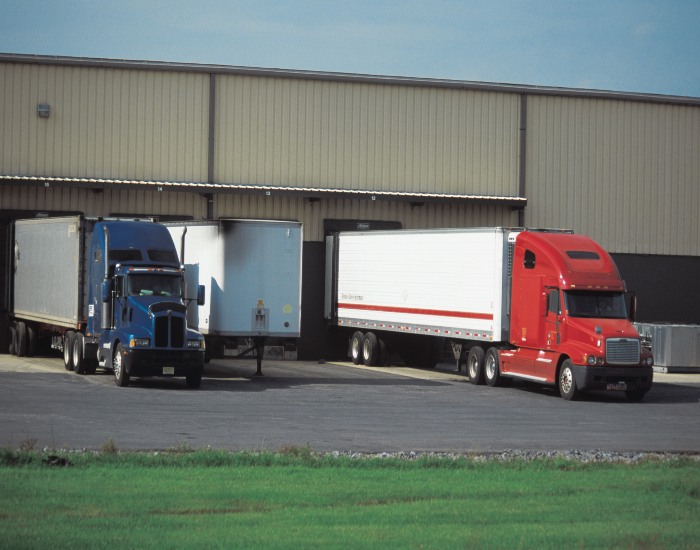
Cross-docking services are all about speed. Goods arrive at a facility and move straight from the inbound truck or container to the outbound vehicle, with little or no time spent in storage. If sorting or consolidating is needed, it happens quickly. So, products can get back on the road. This method is perfect if you want to keep your inventory moving and avoid letting it sit in a warehouse.
What Is Transloading?
Transloading comes into play when your freight needs to switch from one type of transportation to another, like moving goods from an ocean container into a domestic truck. At a transload facility, your shipment is physically transferred, and it might also be sorted, repalletized, or prepped for its final delivery. This process is especially important when your goods arrive at a Canadian port and need to continue their journey inland.
When Cross-Docking Is Best
Cross-docking works best when you have a steady flow of products and tight delivery schedules. If you don’t need to store your goods and speed is your top priority, cross-docking could be the answer. Here are a few situations where it really shines:
- High-Velocity Goods – Products with fast turnover, like fresh or time-sensitive items, benefit from moving straight through without waiting in storage.
- Pre-Sorted Shipments – When freight arrives already organized by destination, a cross-dock facility can route it outbound without additional handling.
- Consolidated Deliveries – Businesses receiving product from multiple suppliers can merge shipments at a cross-dock and send them out as one unified load.
- Retail Replenishment – Retailers that need consistent, frequent restocking can use cross-docking to keep shelves full without holding large amounts of safety stock.
The Top Benefits of Transloading
Transloading services give importers flexibility when shipments arrive at port and need to move efficiently across the country. For businesses managing international freight, a reliable transload facility can make the difference between a smooth delivery and a costly delay. Key benefits include:
- Mode Flexibility – Transloading logistics allow freight to shift between ocean containers, rail, and trucks so shipments can take the most practical route inland.
- Cost Efficiency – Moving goods out of large containers and into domestic trailers often reduces transportation costs, especially for regional distribution.
- Faster Port Clearance – Getting containers unloaded quickly at a transload facility helps avoid port congestion and demurrage fees.
- Compliance Support – Transloading can be paired with CFIA inspection and customs services, which is especially important for food and beverage imports entering Canada.
How to Choose the Right One
Choosing between cross-docking and transloading comes down to your freight, your supply chain setup, and what your customers expect. At CDS Group of Companies, we offer both services at our facilities across Canada, so you can keep things simple and work with one provider. If you’re not sure which option is right for you, our team is here to help you find the best fit for your business.
Schedule a Free Cross Docking or Transloading Consultation
Not sure where to start? We’re happy to talk through your supply chain and point you in the right direction. Contact CDS Group of Companies for a free consultation, and connect with a logistics specialist who can help.
FAQs About Cross-Docking and Transloading
Cross-docking is a process where inbound freight transfers directly to outbound transport with minimal or no warehousing. It’s designed to reduce storage time, lower handling costs, and speed up delivery to the end destination.
Cross-docking focuses on moving goods quickly between trucks or trailers without storage. Transloading involves shifting freight from one mode of transport to another, such as from an ocean container to a domestic truck, and may include repalletizing or sorting.
Transloading services are most useful when international freight arrives at a Canadian port and needs to be transferred to a different mode of transport for inland delivery. It’s also helpful when port clearance speed and compliance are priorities.
Yes. CDS Group of Companies provides both cross-docking and transloading logistics from facilities across Canada, along with customs brokerage, warehousing, and transportation, all under one roof.